

“High-quality ingredients” is not a story.
It is a placeholder.
A customer can see that phrase on almost any food website. It does not tell them where the food came from, who grew it, why it tastes different, how recently it was prepared, or why this meal prep provider is worth choosing over a larger national brand.
Local sourcing is different when it is specific.
“Beef from a South Island supplier.”
“Vegetables grown in Canterbury this week.”
“Fresh meals cooked in an Invercargill kitchen and delivered chilled.”
“Northland ingredients prepared by a local fitness meal prep team.”
Those details do more than decorate a product page. They give the customer a reason to believe the meal is rooted in a place, a kitchen, a supply chain, and a standard.
For independent NZ meal prep providers, that matters because scale is not always the strongest advantage. A national provider can compete on reach, menu size, advertising, convenience, and recognition. An independent provider needs a more specific reason to be remembered.
Local sourcing can be one of those reasons. But it only works when the website gives the story enough surface area to live.
Why is local sourcing more than an ingredient claim?
Local sourcing is more than an ingredient claim because it changes how customers interpret quality, freshness, trust, and brand identity. A vague quality claim asks customers to believe the provider. A specific sourcing story gives them evidence.
Most meal prep customers are not auditing the supply chain. They are looking for signals.
They want to know:
| Customer question | Strong sourcing answer |
| Is this fresh? | Explain when meals are cooked and how ingredients are handled |
| Is this local? | Name the region, kitchen, or supplier type where appropriate |
| Is this better than a generic ready meal? | Show the food philosophy and preparation method |
| Can I trust the brand? | Make sourcing, storage, and delivery information visible |
| Is this worth the price? | Connect value to ingredients, preparation, and service |
| Will this fit my routine? | Show how local sourcing supports menu rhythm and freshness |
NZ ready-meal providers already use local sourcing signals. MealPrep.nz says its chef prepares meals by hand using fresh, locally sourced ingredients. Premade says its chefs and nutritionists cook meals using quality local ingredients, with local sourcing where possible, NZ-grown vegetables, and meat from established South Island suppliers. Fit For Purpose says it uses locally sourced ingredients from Northland. (mealprep.nz)
The difference is depth. A phrase can signal quality. A story can create brand memory.
Cause 1: Generic platforms compress sourcing into a claim
The first cause is that generic platforms compress sourcing into short descriptions, badges, categories, and filters. That makes local sourcing look like one claim among many instead of the operating philosophy behind the food.
A third-party listing usually has limited room:
- Brand name.
- Product photo.
- Short description.
- Price.
- Delivery information.
- Diet tags.
- Rating.
- Add-to-cart button.
That format is built for comparison. It is not built for provenance.
A local sourcing story needs more space because it often includes:
| Sourcing story element | Why it matters |
| Region | Makes the food feel place-based |
| Supplier type | Shows whether sourcing is direct, regional, seasonal, or wholesale |
| Ingredient standards | Explains quality without vague claims |
| Seasonality | Shows why menus change |
| Kitchen process | Connects ingredients to preparation |
| Delivery model | Shows how freshness is protected |
| Founder or chef belief | Turns sourcing into brand identity |
| Product-level relevance | Explains why this meal uses these ingredients |
A platform listing can say “local ingredients.” An owned site can explain what that means.
This is the core system logic: if the story is compressed, the customer compares price. If the story is specific, the customer has a reason to compare value.
Effect 1: Owned websites turn sourcing into brand architecture
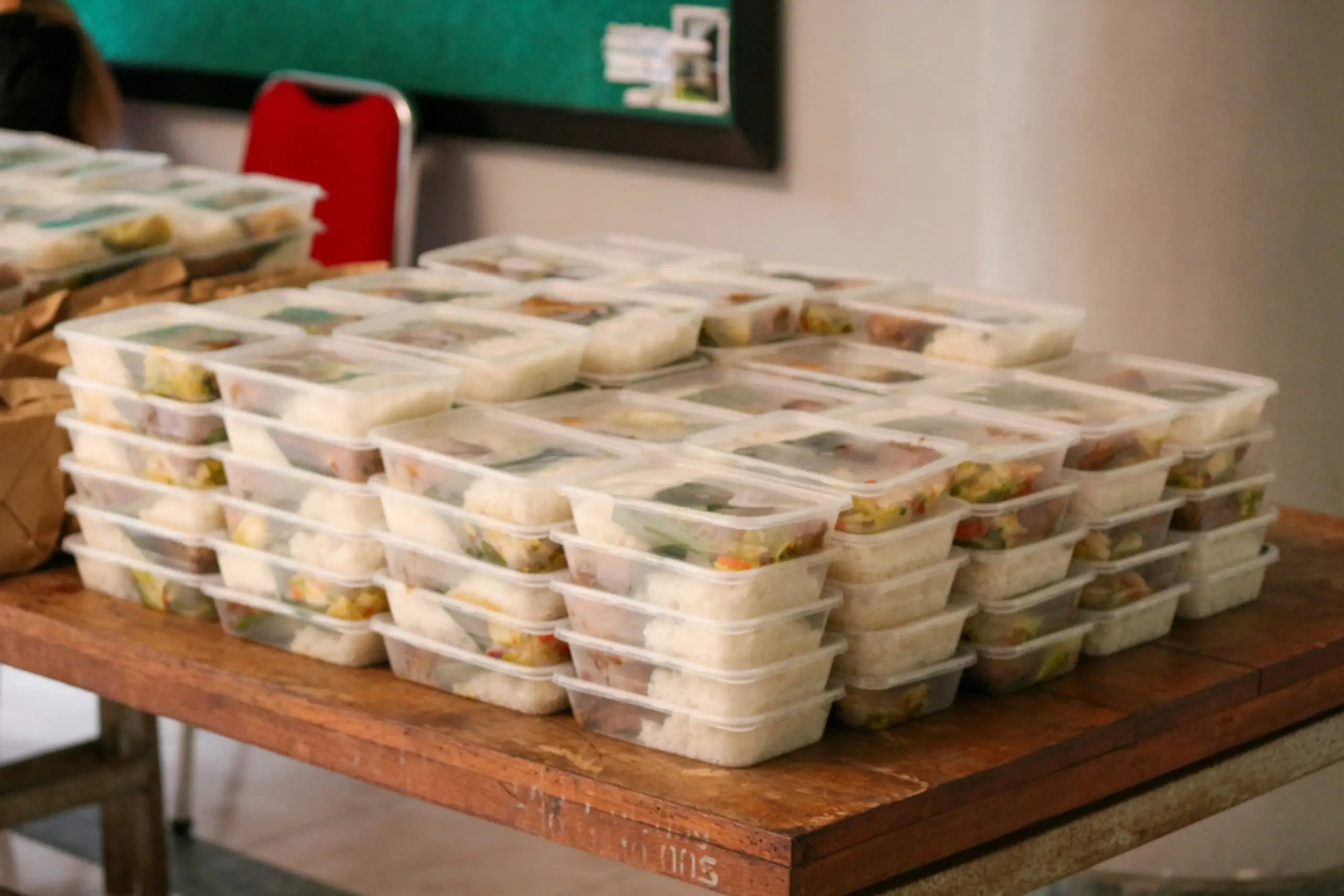
Because platforms compress sourcing, owned websites should turn sourcing into brand architecture. The story should not live only in one sentence on an about page. It should appear in the homepage, menu pages, product pages, delivery page, FAQs, emails, and subscription experience.
A local sourcing story works best when it is repeated in the right places.
| Website surface | How sourcing should appear |
| Homepage | Clear statement of the provider’s local food philosophy |
| About page | Kitchen story, region, supplier approach, and standards |
| Menu page | Seasonal or regional notes that explain meal choices |
| Product pages | Ingredient-specific details where relevant |
| Subscription page | Explain how menu rhythm follows sourcing and prep cycles |
| Delivery page | Connect freshness, chilled or frozen model, and delivery timing |
| FAQ | Answer common questions about ingredients, allergens, storage, and sourcing |
| Email flows | Highlight seasonal ingredients or menu changes |
| Customer account | Support favourites, repeat meals, and seasonal preferences |
This is the kind of surface area a listing format usually cannot provide.
An owned site lets the provider turn “local sourcing” from a line of copy into a system of trust.
Cause 2: Local sourcing raises perceived value only when it is specific
The second cause is that local sourcing raises perceived value only when it is specific enough to be believed. Customers cannot value what they cannot understand. “Local ingredients” is better than nothing, but it is weaker than naming the region, explaining the kitchen, or showing how sourcing affects the menu.
A vague claim sounds like marketing.
A specific claim sounds like evidence.
Compare:
| Weak claim | Stronger claim |
| High-quality ingredients | Made with NZ-grown vegetables where available |
| Fresh meals | Cooked fresh weekly in our local kitchen |
| Local suppliers | Meat sourced from established South Island suppliers |
| Farm-to-table | This week’s roast vegetable meal uses seasonal Canterbury produce |
| Healthy meals | Macro-balanced meals built from whole ingredients and clear nutrition data |
Premade gives a useful public example. It says meals are cooked fresh weekly in an Invercargill kitchen, delivered chilled rather than frozen, and made with local sourcing where possible, including NZ-grown vegetables and meat from established South Island suppliers. (premade.nz)
That is more credible than “quality local ingredients” because it connects place, process, and product.
Specificity is what turns sourcing into perceived value.
Effect 2: Product pages should show ingredient proof, not slogans
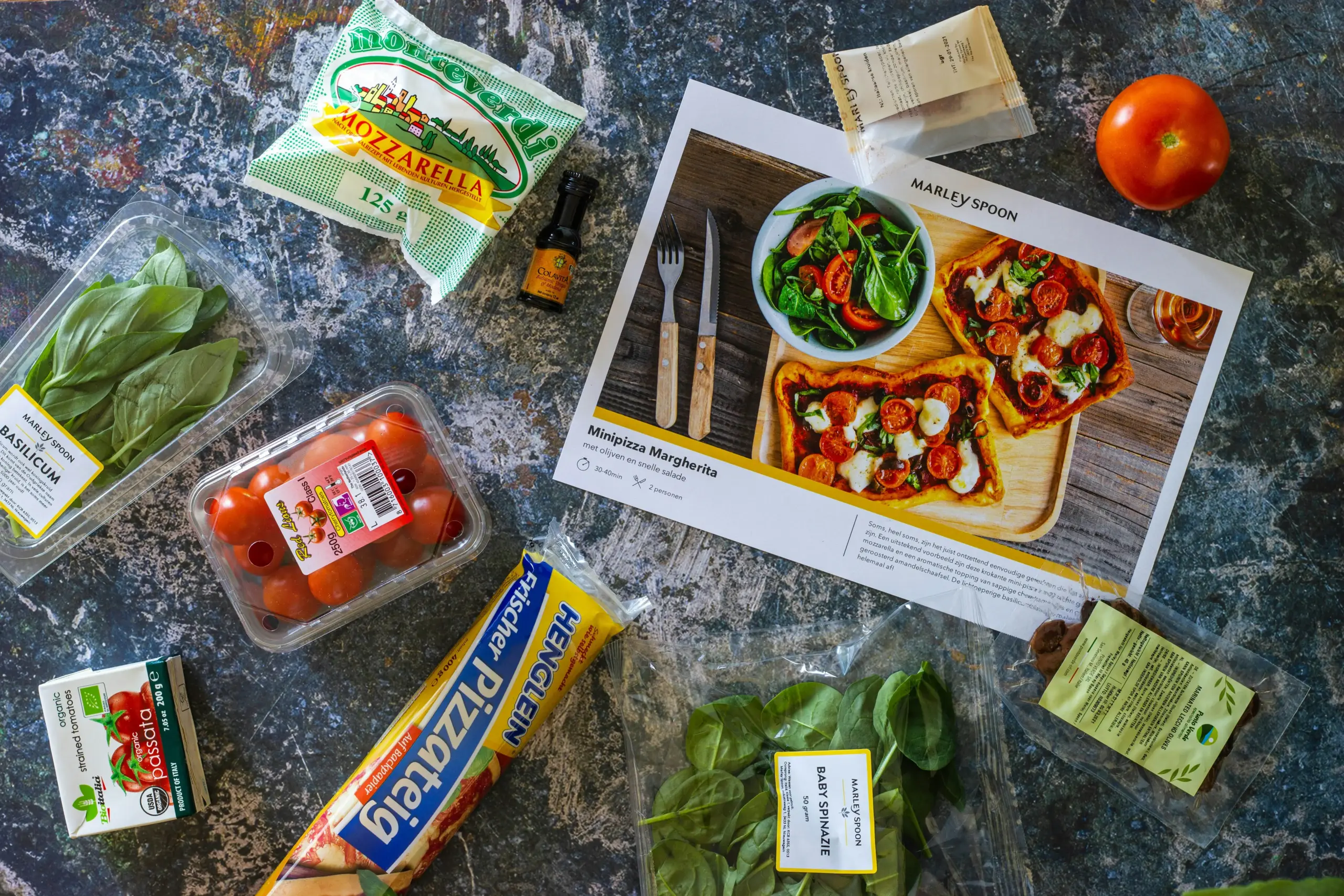
Because sourcing value depends on specificity, product pages should show ingredient proof rather than slogans. A meal page should explain what the customer is eating, where the important ingredients come from where appropriate, and how the meal fits the provider’s food philosophy.
Not every ingredient needs a story. Nobody needs a paragraph about salt.
But some ingredients can carry brand value:
- Beef.
- Chicken.
- Lamb.
- Seasonal vegetables.
- Dairy.
- Eggs.
- Local grains.
- Sauces made in-house.
- Fresh herbs.
- Regional produce.
A practical product-page model could include:
| Product-page field | Why it helps |
| Ingredient list | Builds basic food trust |
| Key local ingredient | Highlights sourcing where it matters |
| Region note | Makes provenance tangible |
| Supplier type | Adds credibility without overclaiming |
| Nutrition | Supports meal-prep decision-making |
| Allergens | Supports informed choice |
| Storage and reheating | Protects post-delivery experience |
| Chef or kitchen note | Adds human context |
| Menu-cycle note | Explains seasonality and availability |
The Family Kitchen says its meals are cooked in an MPI-registered kitchen using real, local produce, and that allergen and ingredient details are available under “More Info” on meal cards. (thefamilykitchen.co.nz)
That pairing is important. Sourcing story and food information should work together. The story attracts trust. The details support it.
Cause 3: Local sourcing is a defence against scale sameness
The third cause is that local sourcing helps independent providers avoid scale sameness. Larger providers may have broader reach, but local providers can often tell a sharper story about region, kitchen, suppliers, and community.
Scale tends to standardise.
A national menu needs consistency. It may need ingredients that work across regions, suppliers, pricing structures, delivery routes, and customer segments. That can create operational strength, but it can also make the brand feel less place-specific.
Independent providers can lean into place.
A local sourcing story can say:
| Independent advantage | How it appears |
| Regional identity | Meals cooked in a named town, city, or region |
| Supplier proximity | Ingredients from local growers, butchers, producers, or wholesalers |
| Seasonal responsiveness | Menu changes because local produce changes |
| Community trust | Customers understand who is feeding them |
| Freshness model | Shorter or clearer path from kitchen to customer |
| Brand voice | More human and specific than national copy |
| Menu distinctiveness | Food reflects local taste and kitchen personality |
NZ consumer research on local food preferences has studied willingness to pay and motives for local food purchasing using Otago Farmers Market data, showing that local-food preference has been a serious area of New Zealand consumer research rather than only a branding trend. (ourarchive.otago.ac.nz)
That does not prove a specific per-portion premium for meal prep. It does support the broader point: local food preference can be meaningful enough to study and should not be treated as throwaway copy.
Effect 3: The website should make “local” operationally credible
Because local sourcing defends against scale sameness, the website should make “local” operationally credible. It should show how sourcing affects menu planning, freshness, delivery, storage, and customer expectations.
A credible local sourcing page might include:
| Section | What it should explain |
| Our kitchen | Where meals are prepared and how often |
| Our sourcing approach | What “local” means and where exceptions exist |
| Seasonal menu logic | Why meals change and how ingredients influence the menu |
| Supplier relationships | Named or type-based suppliers where appropriate |
| Freshness and delivery | How meals are packed, chilled, frozen, or delivered |
| Food information | Ingredients, allergens, storage, and reheating |
| Limits and honesty | What is not local and why |
| Customer benefit | Taste, freshness, community, trust, or quality |
The “limits and honesty” section matters.
A provider may use local produce where possible but imported spices, grains, or specialty ingredients where necessary. Premade, for example, says imported ingredients are limited to specialty items such as basmati rice, hokkien noodles, and Thai curry pastes, sourced from established food-service suppliers with traceable origins. (premade.nz)
That kind of honesty strengthens the claim. It shows the provider is not using “local” as a blanket slogan.
Cause 4: Sourcing stories improve retention when they repeat
The fourth cause is that sourcing stories improve retention when they repeat across menu cycles. Meal prep is a recurring category. Customers come back when the food continues to feel interesting, trustworthy, and aligned with the reason they chose the provider.
A sourcing story should not be one-and-done.
It can become part of the weekly rhythm:
- This week’s seasonal vegetable feature.
- A winter comfort meal built around local beef.
- A spring menu using lighter produce.
- A supplier spotlight.
- A “back by request” local favourite.
- A harvest-week menu note.
- A story behind a new sauce, grain, or protein.
- A local kitchen update.
This matters because meal prep customers can experience menu fatigue. A strong sourcing story gives the menu a reason to change beyond novelty.
The provider is not only saying, “Here are new meals.”
It is saying, “Here is what our kitchen is cooking this week and why.”
That can make repeat ordering feel more connected to the business.
Effect 4: Owned retention flows can carry sourcing stories
Because sourcing stories improve when they repeat, owned retention flows should carry them. Email, SMS, customer accounts, subscription reminders, and menu-preview content can use local sourcing to make the next order feel timely.
A provider can use sourcing in:
| Retention moment | Sourcing story use |
| Menu preview | Highlight seasonal or regional ingredients |
| Edit reminder | Give subscribers a reason to choose before cut-off |
| New meal launch | Explain why the meal exists this week |
| Reorder prompt | Mention a returning favourite and its ingredient story |
| Subscription retention | Reinforce food philosophy and kitchen rhythm |
| Win-back email | Show what has changed on the menu |
| Customer education | Explain freshness, storage, and preparation |
| Social proof | Share customer response to local favourites |
This only works well when the provider owns the customer relationship.
A third-party platform may send generic transactional messages. An owned site can build a brand voice around the menu cycle.
That is why local sourcing belongs inside the ecommerce system, not only in marketing.
Cause 5: Local sourcing needs trust controls
The fifth cause is that local sourcing needs trust controls. If a provider claims local sourcing but does not explain definitions, exceptions, ingredient data, or supplier logic, the claim can become weak or risky.
Customers are increasingly used to vague food claims. They may like the idea of local sourcing, but they still need clarity.
A trustworthy sourcing system should define:
| Trust control | Practical role |
| Definition of local | Region, NZ-grown, local supplier, or local kitchen |
| Ingredient scope | Which ingredients are local and which are not |
| Seasonality | When availability changes |
| Supplier naming policy | Whether suppliers are named publicly or described by type |
| Food information | Ingredients, allergens, storage, and reheating |
| Update process | How product pages change when ingredients change |
| Claim discipline | Avoiding overstatement |
| Customer support | How customers can ask food-information questions |
MPI advises people buying food online to look for use-by dates, allergen warnings, and storage instructions. That is customer guidance, but it also shows why food ecommerce pages need practical detail, not just brand claims. (mpi.govt.nz)
The local sourcing story should never replace basic food information. It should sit beside it.
Effect 5: Owned sites can keep the story honest
Because local sourcing needs trust controls, owned sites can keep the story honest by connecting sourcing copy to actual product data, menu updates, ingredient lists, allergen information, delivery details, and customer support.
A good owned-site implementation might include:
- A sourcing philosophy page.
- Product-level ingredient and allergen data.
- Region notes where relevant.
- Seasonal menu notes.
- Delivery and storage explanations.
- Supplier or producer spotlights.
- Honest exception language.
- Email snippets tied to current meals.
- Staff workflow for updating meal information.
- Customer support route for ingredient questions.
This turns local sourcing into an operating habit.
The story stays credible because it is connected to the menu and maintained over time.
What local sourcing stories are already visible in NZ meal prep?
Local sourcing stories are already visible across NZ meal prep providers, but they vary in specificity. Some providers use broad phrases such as locally sourced ingredients. Others connect sourcing to region, kitchen, chilled delivery, South Island suppliers, Northland ingredients, or local produce.
Observed examples include:
| Provider signal | What it shows |
| MealPrep.nz | Fresh, locally sourced ingredients prepared by hand |
| Premade | Invercargill kitchen, chilled not frozen, NZ-grown vegetables, South Island suppliers |
| Fit For Purpose | Locally sourced ingredients from Northland |
| Meal Box | Fresh, locally sourced New Zealand ingredients |
| The Family Kitchen | Real local produce and MPI-registered kitchen |
| My Food Bag ready-made meals | Freshly prepared weekly in NZ with local free-range and free-farmed ingredients |
My Food Bag’s ready-made meal page says its meals are made fresh in New Zealand with local free-range and free-farmed ingredients. That shows even larger providers use local sourcing as a trust signal, which makes specificity even more important for independents. (myfoodbag.co.nz)
If everyone can say “local,” the independent provider needs to say it better.
How should independent providers turn sourcing into a website system?
Independent providers should turn sourcing into a website system by connecting the claim to homepage positioning, product pages, menu cycles, supplier stories, delivery explanations, food information, customer emails, and subscription retention. The story should be visible before, during, and after checkout.
A practical implementation looks like this:
| Website layer | What to build |
| Homepage | One clear sourcing-led brand promise |
| About page | Kitchen, region, food philosophy, sourcing approach |
| Sourcing page | Definition of local, suppliers, seasonality, exceptions |
| Menu page | Seasonal notes and source-relevant categories |
| Product pages | Ingredient lists plus sourcing details where relevant |
| Delivery page | Freshness, chilled or frozen handling, regional delivery rules |
| FAQ | Ingredient, allergen, storage, and sourcing questions |
| Subscription page | How menu rhythm follows sourcing and prep cycle |
| Emails | Weekly sourcing snippets tied to new or returning meals |
| Customer account | Saved favourites and preference learning by menu type |
This connects directly to the upstream article on independent meal prep brand differentiation. Link to T2-A1 using anchor text such as “how independent NZ meal prep brands can differentiate beyond convenience.”
Local sourcing is not a one-page project. It is a positioning system.
What should providers avoid?
Providers should avoid vague sourcing claims, unsupported premium language, hidden ingredient information, overclaiming local content, generic farm-to-table copy, and supplier stories that are not connected to actual product pages or menu choices.
Avoid:
- “Best local ingredients” without detail.
- “Farm-to-table” without explaining the chain.
- “From local farms” if the provider cannot name or define the source.
- “NZ-made” as a substitute for ingredient sourcing.
- Sourcing copy that appears only on the about page.
- Product pages without ingredients or allergen detail.
- Local story that does not connect to menu rotation.
- Imported ingredient exceptions hidden from customers.
- Overpromising every ingredient as local.
- Treating sourcing as brand decoration rather than food information.
Credibility is the moat.
A smaller provider does not need a bigger sourcing story than a national brand. It needs a truer one.
Key Takeaways
- Local sourcing is more powerful when it is specific, credible, and connected to the product.
- “High-quality ingredients” is too generic to carry brand differentiation by itself.
- Generic platforms often compress sourcing into a short claim, while owned websites can turn it into brand architecture.
- Product pages should show ingredient proof, not only slogans.
- Local sourcing can help independent meal prep providers defend against scale sameness by emphasising region, kitchen, suppliers, seasonality, and community.
- The story should repeat through menu previews, product pages, subscription reminders, and customer retention flows.
- Local sourcing needs trust controls: definitions, exceptions, ingredient information, allergen detail, and update discipline.
- Owned sites can keep the story honest because they connect sourcing to product data, menu cycles, delivery, and customer communication.
- NZ meal prep providers already use local sourcing signals, so independents need specificity rather than generic claims.
- The strongest local sourcing story is not the loudest. It is the one customers can understand, verify, and remember.
Local sourcing is not automatically a price premium. It becomes valuable when customers can see what is local, why it matters, how it affects the meal, and why this provider is different. An owned website gives that story the space and structure to become part of the brand, not just a sentence in a listing.